
Article
Last-Minute Moving Checklist: How to Move in 72 Hours or Less
Moving in three days or less? Use this last-minute moving checklist to book movers, pack quickly, prepare access, protect essentials, and stay organized.
Published
October 8, 2026
Updated
October 8, 2026
Category
tips
Author
MoveMate Editorial Team
Moving and relocation guidance
The MoveMate Editorial Team creates practical moving guidance based on the information customers and moving professionals need to plan clear, efficient moves across Canada.

Moving on short notice can feel overwhelming, but a clear plan makes it much more manageable. With only 72 hours, the key is to focus on the tasks that matter most: booking movers, confirming access, packing safely, and keeping your essentials close at hand.
This last-minute moving checklist organizes those priorities into a practical 72-hour plan. It works best for a local apartment or household move, but the same order of operations can help with other short-notice relocations. If your timeline is already tight, start by checking last-minute moving availability with MoveMate before you spend valuable hours packing.
Table of contents
- Can you move in 72 hours or less?
- Your 72-hour moving plan at a glance
- First: make a one-page moving plan
- 72 to 48 hours before moving
- 48 to 24 hours before moving
- The final 24 hours
- Moving-day checklist
- Fast packing checklist by room
- What not to put on the moving truck
- How much a last-minute move costs
- What to do if no movers are available
- Final review
- Frequently asked questions
Can you move in 72 hours or less?
Yes, a move can sometimes be organized in 72 hours or less. Your chances are better when:
- The move is local rather than long distance.
- You can be flexible about the start time.
- Your inventory is accurate and manageable.
- The pickup and delivery locations have straightforward access.
- You disclose stairs, elevators, parking restrictions, and heavy items immediately.
- You can pack yourself or add packing help that is actually available.
A three-day timeline does not guarantee that a crew, truck, elevator, or parking space will be available. Contact movers first, provide complete information, and make backup arrangements if any part of the move is still unconfirmed.
Your 72-hour moving plan at a glance
| Time remaining | Main objective | Most important tasks |
|---|---|---|
| 72-48 hours | Secure the move | Contact movers, confirm both addresses, reserve access, create an inventory, and get supplies. |
| 48-24 hours | Reduce and pack | Pack an essentials bag, remove unwanted items, pack room by room, and handle urgent address changes. |
| Final 24 hours | Make the home load-ready | Finish boxes, label priority items, prepare furniture, confirm the crew, clear pathways, and clean. |
| Moving day | Control the handoff | Protect essentials, complete walkthroughs, direct loading, check the truck, and make the new home functional. |
First: make a one-page moving plan
Before calling movers or opening a box, write the critical details in one place. A note on your phone is enough.
Include:
- The exact pickup and delivery addresses.
- Your required move date and any flexibility you have.
- The earliest and latest permitted moving times.
- Key pickup and possession details.
- Elevator, loading dock, parking, and building rules.
- A rough room-by-room furniture inventory.
- Heavy, fragile, oversized, or high-value items.
- Stops at storage units or other addresses.
- The name and phone number of the decision-maker at each location.
This becomes the source of truth for everyone helping with the move. It also prevents lost time caused by different people sharing incomplete or conflicting information.
72 to 48 hours before moving: secure the essentials
1. Contact movers immediately
Do not wait until you are packed to look for transportation. A moving crew and truck are harder to replace than boxes or tape.
When requesting a quote, share the complete scope instead of saying only that you have a one-bedroom or three-bedroom home. Tell the mover:
- What is moving, including an approximate box count.
- Whether either location has stairs or an elevator.
- How far the truck can park from each entrance.
- Whether the building requires a reservation or certificate of insurance.
- Whether furniture needs to be disassembled or reassembled.
- Whether you have appliances, pianos, safes, gym equipment, glass, artwork, or other special items.
- Whether you need packing supplies, packing and unpacking help, storage, disposal, or an extra stop.
Ask for the quote and service details in writing. Confirm what is included, how time is calculated, what protection applies to your belongings, and how cancellation or schedule changes work. The Government of Canada’s moving advice also recommends checking the mover, getting a written estimate, reviewing insurance or replacement-value options, and confirming restricted items.
Short-notice availability can change quickly. If a mover offers an acceptable time and you are comfortable with the terms, complete the booking instead of assuming the same opening will remain available later.
2. Confirm access at both homes
An available truck is not useful if it cannot reach the building or the crew cannot use the elevator.
Call the landlord, property manager, concierge, or condo board and ask:
- Does the move need to be registered?
- Is a service elevator reservation required?
- Are moving hours restricted?
- Is a damage deposit required?
- Does the mover need to provide proof of insurance?
- Where can the truck park or use the loading dock?
- How will you collect keys or enter the new home?
If the preferred time is unavailable, ask for every open window within your 72-hour period. Flexibility may be the difference between completing the move and having to arrange temporary storage.
3. Make a fast, accurate inventory
Walk through every room once. Record large furniture, appliances, electronics, fragile items, outdoor items, and an estimated number of boxes. Take photos or a short video if that is faster.
Use three decisions only:
- Move: worth the time, space, and cost to transport.
- Leave: belongs to the landlord, buyer, roommate, or new occupant.
- Remove: donate, sell, recycle, or dispose of it before moving day.
This is not the time to examine every letter or debate every shirt. Be decisive about large items, obvious duplicates, broken belongings, expired products, and anything that will not fit in the new home.
4. Gather supplies in one trip
Estimate what you need, add a small buffer, and avoid repeated shopping trips.
Prioritize:
- Small and medium boxes.
- Strong packing tape and a tape dispenser.
- Permanent markers and coloured labels (tape can also work as labels, by the way).
- Packing paper or other clean cushioning material.
- Mattress and furniture covers.
- Sealable bags for hardware, cords, and small parts.
- Garbage, recycling, and donation bags.
- Basic cleaning supplies.
Use suitcases, laundry baskets, reusable bins, and clean hampers you already own. Do not use damaged boxes for heavy or fragile items simply because they are available.
48 to 24 hours before moving: pack by priority
1. Pack your essentials before anything else
Set aside the things that must never disappear into the truck. Keep this bag or bin with you throughout the move.
Include:
- Identification, leases, closing documents, and moving paperwork.
- Medication, glasses, mobility aids, and basic first aid.
- Wallets, keys, cash, jewellery, and irreplaceable valuables.
- Phones, laptops, chargers, and power banks.
- Toiletries, toilet paper, towels, and a change of clothes.
- Water, snacks, pet supplies, and children’s immediate needs.
- Clean bedding and anything required for the first night.
For a more detailed list, use MoveMate’s guide to packing a moving-day essentials bag.
2. Separate everything into four packing groups
As you pack, keep your belongings in four clearly marked groups:
- Regular truck load: sealed and labelled boxes that can be loaded in the normal order.
- Load last and open first: bedding, basic kitchenware, bathroom items, tools, and cleaning supplies. These items go on the truck, but they should remain easy to reach when you arrive.
- Keep with you: documents, medication, valuables, electronics, and anything else that should not go on the truck.
- Do not move: donations, recycling, garbage, and items being picked up by someone else.
This system helps everyone understand what goes on the truck, what needs to remain accessible, what travels with you, and what stays behind.

3. Pack in the right room order
For a last-minute move, pack based on how soon you will need the room—not how easy it looks.
Pack first
- Decorations, books, and collectibles.
- Storage rooms, closets, garages, and seasonal items.
- Guest rooms and home-office items you can stop using.
- Extra linens, dishes, and small appliances.
- Most wall art and non-essential electronics.
Pack next
- Living and dining rooms.
- Most clothing and shoes.
- Children’s non-essential toys and books.
- Pantry items that are sealed and worth moving.
- Bathroom backups and cleaning supplies you will not use.
Pack last
- Medication and daily toiletries.
- The clothes you will wear before and during the move.
- Phone and laptop chargers.
- Basic cookware, dishes, and food for the final day.
- Pet food, leashes, carriers, and bedding.
- Tools and supplies needed to finish packing or disassemble furniture.
4. Use a fast labelling system
Write three things on the top and at least one side of every box:
- Destination room.
- General contents.
- Priority: open first, regular, or fragile.
For example: KITCHEN — plates and glasses — FRAGILE.
Numbering boxes can also help you confirm that everything arrived. Keep a simple note such as “1-12 kitchen, 13-18 bedroom” instead of creating a detailed spreadsheet you do not have time to maintain.
5. Handle only the urgent address changes
Do not let administrative work consume the hours needed to make the home move-ready. Focus first on services that affect access, safety, money, or important correspondence:
- Electricity, heating, water, internet, and home insurance.
- Employer, school, childcare, and essential healthcare contacts.
- Banks, credit cards, and any delivery already in progress.
- Government benefits or services that could be interrupted.
The federal government’s change-of-address hub explains that departments do not automatically share your new address, so relevant accounts must be updated separately. If you cannot notify every sender before the move, Canada Post offers Mail Forwarding for moves. Mail forwarding does not replace updating important accounts directly, and it does not cover every type of delivery.
The final 24 hours: make everything load-ready
1. Finish packing before the crew arrives
Movers can work more efficiently when boxes are closed, labelled, and ready to load. Unless packing service is part of your booking, do not leave loose kitchenware, open boxes, or full drawers for the crew to resolve.
Complete one room at a time and close the door, add a note, or mark it as finished. End with the kitchen, bathroom, and the bedroom you are using.
2. Prepare furniture and electronics
- Empty furniture that needs to be lightened or disassembled.
- Photograph cable connections before unplugging electronics.
- Place screws and hardware in labelled bags and attach them securely to the corresponding item.
- Roll and label cables instead of putting them loose in a box.
- Remove bedding and protect mattresses.
- Ask the mover before disconnecting appliances or attempting complex disassembly.
Do not dismantle furniture unless you know it is necessary and can keep track of the parts. An intact item may be faster to move than a pile of poorly labelled panels.
3. Confirm the move in writing
Send or review one final confirmation containing:
- Date and arrival window.
- Both addresses and the best phone number.
- Parking or loading instructions.
- Elevator reservations and access codes.
- Updated inventory or box count.
- Newly identified heavy, fragile, or oversized items.
- Extra stops and services.
- Expected payment method and booking terms.
If the scope has changed, say so now. A surprise sectional sofa, long carry, or flight of stairs can change the time and equipment required.
4. Prepare the route through the home
- Move sealed boxes out of narrow hallways.
- Remove rugs, cords, and tripping hazards.
- Protect floors or building common areas if required.
- Keep children and pets in a safe room or arrange care elsewhere.
- Clear snow, ice, leaves, or debris where possible.
- Make sure doors, gates, and loading areas can be opened.
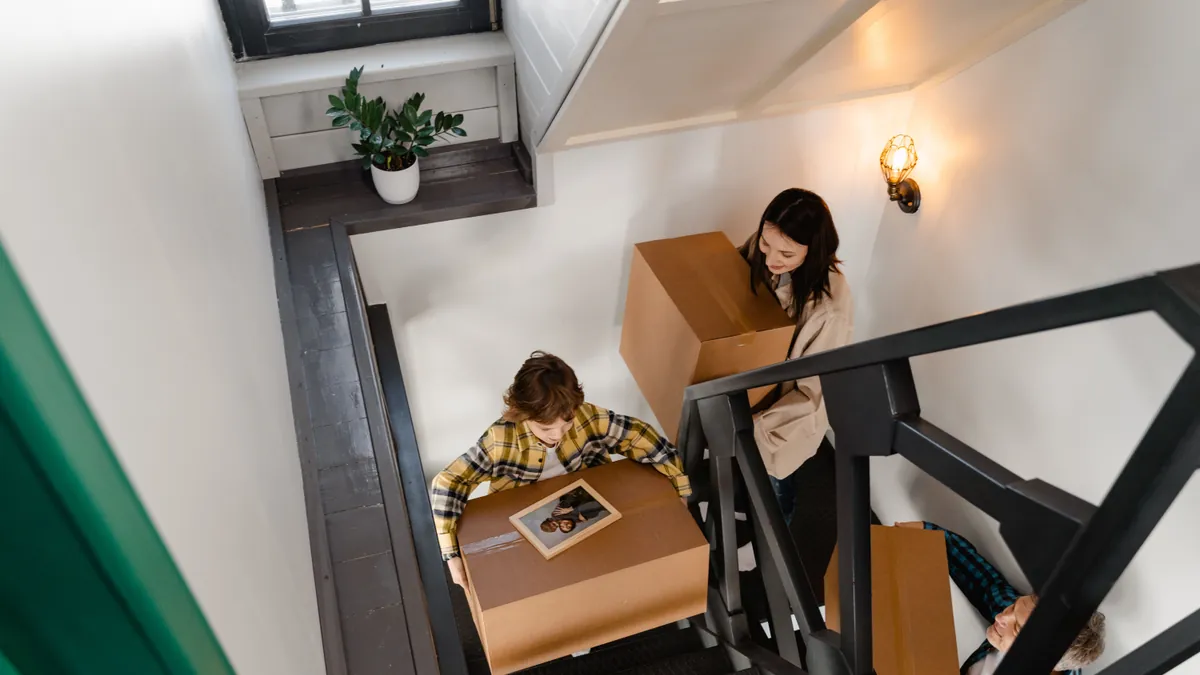
5. Deal with food and appliances
Eat, donate, or dispose of perishables that will not travel safely. Use a cooler only for food you can keep at a safe temperature.
Follow the manufacturer’s instructions for preparing refrigerators, freezers, washers, dryers, and other appliances. If an appliance must be disconnected by a qualified professional, do not improvise because the deadline is close.
6. Clean strategically and rest
Clean completed rooms while you still have access to supplies. Leave a small kit containing garbage bags, paper towel, an all-purpose cleaner, a cloth, a broom or vacuum, and toilet paper for the final walkthrough.
Then stop at a reasonable time. Fatigue leads to injuries, broken items, missed details, and poor decisions. A few unpacked low-priority items are easier to solve than an unsafe moving day.
Moving-day checklist
Before the movers arrive
- Charge your phone and power bank.
- Eat, hydrate, and wear closed-toe shoes.
- Put documents, medication, valuables, and essentials in your vehicle or another protected area.
- Take photos of valuable items and the condition of both properties.
- Reserve or protect the parking area if permitted.
- Open access points and confirm the elevator or loading dock.
- Point out fragile, heavy, or non-transportable items.
- Explain which boxes must be loaded last and opened first.
During loading
- Keep one person available to answer questions.
- Do not create new piles in the crew’s path.
- Check rooms, closets, cupboards, balconies, storage lockers, and outdoor areas as they are cleared.
- Track numbered boxes or priority items without obstructing the crew.
- Keep pets and children away from open doors, moving equipment, and the truck.
Before leaving the old home
- Photograph meter readings if needed.
- Check appliances, drawers, cabinets, and wall-mounted storage.
- Remove garbage and the final cleaning kit.
- Close windows and lock doors.
- Return keys according to the agreed process.
- Complete one slow final walkthrough from the furthest room to the exit.
At the new home
- Confirm that the utilities are working and the space is safe to enter.
- Direct boxes to their labelled rooms.
- Check off furniture and numbered boxes as practical.
- Note visible damage or missing items before signing final paperwork.
- Ask for beds and essential furniture to be positioned first.
- Check the truck after unloading.
- Set up one bathroom, the beds, chargers, medication, and basic food before opening regular boxes.
Fast packing checklist by room
Kitchen
- Set aside one simple meal kit for the final day.
- Pack dishes vertically with cushioning between fragile pieces.
- Keep boxes of dishes small enough to carry safely.
- Seal liquids in bags and check whether they are permitted.
- Dispose of leaking, expired, or unsafe food.
- Keep knives protected and clearly labelled.
Bedroom
- Pack out-of-season clothing first.
- Keep one outfit per person for moving day and the next morning.
- Place linens in clean bags or boxes and label them open first.
- Keep jewellery, documents, and medication with you.
- Protect mattresses and disassemble only what is necessary.
Bathroom
- Throw out empty and expired products.
- Seal toiletries that could leak.
- Keep daily medication and toiletries in the essentials bag.
- Pack one towel per person separately.
- Leave toilet paper and soap accessible at both homes.
Living room and office
- Photograph electronics before disconnecting them.
- Back up important computer files.
- Label cables and remotes by device.
- Wrap screens, artwork, lamps, and glass carefully.
- Keep work equipment you immediately need in a separate priority box.
Storage areas
- Remove fuel, propane, chemicals, and other restricted materials.
- Separate tools with sharp edges.
- Do not move obvious garbage or long-forgotten duplicates.
- Confirm that outdoor furniture and equipment are on the mover’s inventory.
- Check lockers, sheds, garages, and overhead shelves during the final walkthrough.
What not to put on the moving truck
Restricted-item policies vary, so ask your mover for the exact list. In general, plan to keep these items with you or dispose of them safely:
- IDs, passports, legal documents, and financial records.
- Prescription medication and essential medical equipment.
- Cash, jewellery, small valuables, and irreplaceable keepsakes.
- Phones, laptops, chargers, keys, and access devices.
- Fuel, propane cylinders, fireworks, ammunition, and other hazardous materials.
- Open paint, solvents, pesticides, and some household chemicals.
- Perishable or leaking food.
- Plants or live animals.
Never hide a restricted item inside a sealed box. Ask when you are unsure.
How much does a last-minute move cost?
There is no single last-minute moving price. The quote can depend on:
- Crew size and labour time.
- Truck size and travel distance.
- Home size and the amount being moved.
- Stairs, elevators, parking, and the distance from the door to the truck.
- Packing, supplies, storage, disposal, or furniture assembly.
- Heavy, fragile, or oversized items.
- Date, time, route, and remaining availability.
Urgency does not make accurate information less important. In fact, a precise inventory and clear access details matter more when there is little time to correct the plan. Review the written quote, payment schedule, cancellation terms, and included services before confirming. Once you have those details ready, request a last-minute moving quote to see which options are available for your timeline.
What if no movers are available?
Do not wait for one perfect solution. Work through the following options quickly:
- Ask whether a different start time within the same day is available.
- Check the day before or after if possession dates allow it.
- If the available truck is too small, reduce the inventory to the items that truly must move now.
- Arrange temporary storage between the two homes.
- Move essential and small items yourself, then schedule the remaining inventory.
- Ask the landlord, buyer, or property manager whether a short extension is possible.
Do not accept an unsafe or unclear arrangement simply because the deadline is close. Verify who is handling the move, get the terms in writing, and make sure the plan accounts for your actual inventory and access.
Last-minute moving checklist: final review
Use this condensed list before moving day:
- Movers, truck, date, and arrival window are confirmed.
- Pickup and delivery access are approved.
- Inventory and special items have been disclosed.
- Packing, storage, and extra stops are confirmed if needed.
- Boxes are sealed, labelled, and placed out of pathways.
- Essentials, documents, medication, valuables, and keys will stay with you.
- Furniture and appliances are prepared according to the plan.
- Children and pets have a safe moving-day arrangement.
- Utilities, insurance, and urgent address changes are underway.
- The old home, storage areas, and truck will receive final walkthroughs.
- The first-night boxes will be easy to find at the new home.
Frequently asked questions about last-minute moving
Can I really move in 72 hours or less?
Yes, some local moves can be organized within 72 hours, especially when the inventory is manageable and both addresses are ready for the truck. Availability is not guaranteed, so contact movers immediately and provide complete information about the move.
What should I do first for a last-minute move?
Confirm the move date, both addresses, building access, and what must be moved. Then contact movers before you begin packing. Transportation and access are the hardest problems to replace at the last minute.
How do I pack a house in three days?
Pack an essentials bag first, remove anything you will not move, and work room by room. Pack decorations and storage areas first, living spaces next, and daily-use kitchen, bathroom, and bedroom items last. Use strong boxes, label them clearly, and avoid spending time organizing belongings that can be sorted after the move.
Do last-minute movers cost more?
The price still depends on labour, travel, crew size, inventory, stairs, elevators, parking, and extra services. A short booking window can limit availability and may affect which scheduling or service options are available. Ask for a written quote and review the terms before confirming.
Can movers pack for me at the last minute?
Possibly, if packing services, materials, and enough crew time are available. Disclose the number of rooms, current packing progress, fragile items, and your deadline when requesting the quote. Do not assume packing is included in a standard moving booking.
What should I tell movers when booking on short notice?
Provide the exact addresses, date and time window, home size, inventory, stairs or elevators, parking conditions, heavy or fragile items, and whether you need packing, storage, disassembly, or multiple stops. Photos or a short inventory video may help clarify the scope when requested.
Need to arrange a move quickly?
A short timeline becomes more manageable once the crew, access, and inventory are clear. Gather the details from the first section of this checklist, then request a last-minute moving quote. Availability depends on the date, location, route, and scope of the move, so sharing accurate information immediately gives the team the best chance to assess the request.
Make your move a whole lot easier
Get your best moving quote instantly
Blog
Related articles

July 30, 2024
Affordable Last Minute Movers in Vancouver. What You Need to Know For a Quick and Efficient Move
Discover affordable last minute movers in Vancouver and learn how to move quickly and efficiently. Get expert tips and find reliable moving services for your urgent relocation needs.

July 30, 2024
How Senior Movers in Vancouver Handle Downsizing with Care
Learn how senior movers in Vancouver handle downsizing with care, offering personalized moving plans and support services to ensure a smooth transition.

July 30, 2024
Planning an Office Move in Vancouver? 5 Things You Need to Know.
Learn how to plan a successful office move in Vancouver with expert tips on choosing commercial movers, creating a detailed moving plan, and ensuring a smooth transition